The Dream Client Guide: How to Be Every Farrier’s Favourite Client
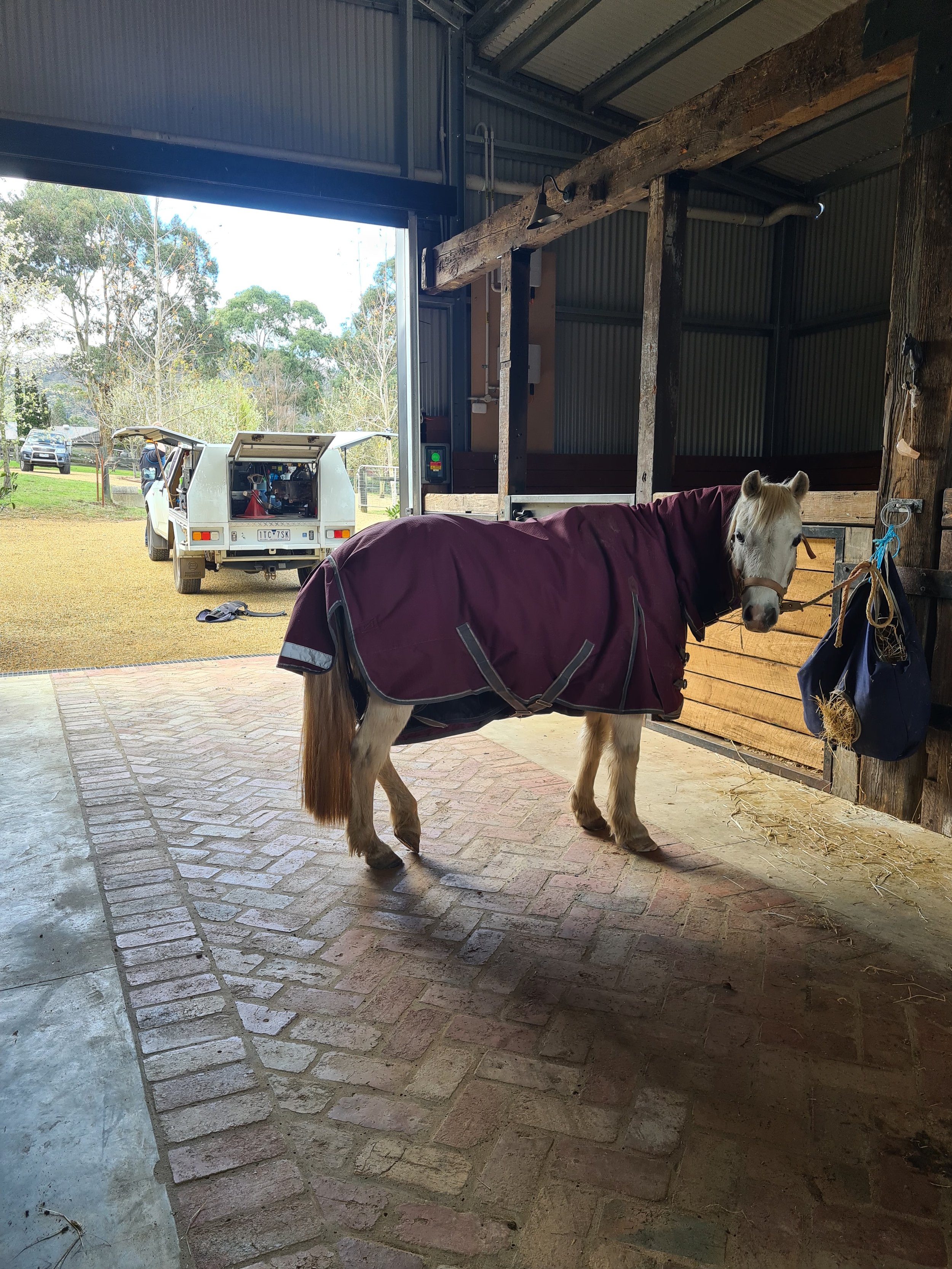
Owners, sit tight. This first blog dives deep into what every farrier wishes all horse owners knew. If you’re struggling or just need a few suggestions on how to create a more positive experience, here’s how to get the most out of your farrier, improve your experience, and keep your farrier happy enough to keep returning in the future.
First off, it’s not about blaming or shaming anyone, I promise. It’s about bridging that gap between expectations and reality. I want this to be helpful, honest, and maybe even a little confronting in parts, because real improvement often starts with a new perspective.
The goal? To rebuild your relationship with your farrier and transform you into every farrier’s dream client. Let's do this!
As a farrier I can’t tell you how many times we’ve pulled up to a property only to see horses still roaming in the paddock, no one in sight, or a flustered owner running around trying to catch them. It’s stressful for everyone. Having your horse ready and allocating the time to do so before we even get there makes a huge difference. Otherwise it leaves a negative impression that’s hard to shake, it's my biggest pet peeve, just ask Richard. Ideally, have them caught 15–30 minutes before your booking. Or if you're not going to be there (pending your farrier's policy), have your horse in a safe, accessible, prepared area such as a stable, yard or round yard. Leaving a little hay or feed nearby doesn’t hurt either, and make sure your reachable by phone incase your farrier needs to get in touch.
Once your horse’s are caught, the prep continues. In summer, applying fly spray, a fly mask, and a shady spot can turn a cranky, stomping horse into a cooperative one. In winter think of us like cats, we hate getting wet. So muddy legs, feet and dripping wet rugs are our worst nightmare. Remove top rugs and use towels and brushes for muddy legs and hooves. Oh, and please, don’t hose legs off right before we arrive. Being wet is worse than muddy. Don't forget to pick out hooves too, it’s the little things that show respect for our time and effort.
The workspace you provide matters more than you may realise. As you know, our job is physically demanding, and working in unsuitable areas or conditions can make the job harder and increase the risk of fatigue, accidents or even injury.
A flat, dry surface close to our work vehicle is the bare minimum we need. Cover provides so many further advantages, so if you haven't got those three things. I'm telling you now, that's what you need to aim toward!
Uneven surfaces don't allow for ease of movement with a tool trolley, our balance or even positioning feet on hoof stands. A wet or muddy work area damages our tools and these are not cheap or easily available to replace. And sand is just awful! Being undercover is like the holy grail, shelter from the sun, the wind or the rain. We would be almost unstoppable year-round if all clients had this. Even a basic roof, lean-to, carport, hay shed, or a sheltered wall can work if a purpose-built space isn’t available (as long as your horse is well acquainted with the area).When we have a suitable work area, we can focus fully on the horse and you will receive a higher quality of workmanship without us being distracted by hazards or awkward positioning. This directly improves the quality of care your horse receives.
Even if you agist or don’t have full control over the facilities or lack them, small improvements can be made that show us you care and are trying to make our job more pleasant.
It also helps when you let us know about your horse. Many horses have quirks, but all horses need to be able to stand quietly, be patient, tie well and pick up and hold all four feet. If your horse has issues or quirks, that's ok, but be honest. We can adapt, plan and prepare around it, which keeps us safer and reduces stress for everyone. And we’re happy to provide feedback or strategies to help your horse improve, but ultimately it is up to you to mould your horse into a good citizen for the farrier.
Communication isn’t just for tricky horses, it’s for everything. If something’s not working please tell us. Don’t say, “Everything’s fine,” then vent online later. (Yes, we do recognise our own work, even from anonymous hoof photos on Facebook.). Let us know of any concerns, no matter how small. Share your goals for your horse too, this helps us tailor our approach to suit.
We love questions, curiosity, and honesty. But micromanaging, dictating or expecting us to do things your way, that’s where trust and relationships break down. Remember, you’ve hired a professional, if you don’t trust your farrier, ask yourself why. And if that trust can’t be built, it might not be the right professional for you or your horse. This is why communication is important to keep a healthy working relationship.
Another thing that I think owners struggle to understand is the farrier's schedule. That's probably because it's not spoken much about and you don't see what effort and time goes into it. The majority of farriers don’t just take bookings randomly throughout the week. We plan our whole schedule around regions or areas on specific days that vary week to week. Having to factor in travel, setup, horse needs and cycle length, amongst other things. Our day is planned down to the minute. So the specific opening we offer you has come with an immense amount of planning with the bigger picture of our schedule in mind. Most farriers book clients in set cycles, commonly every 4 to 6 weeks. For us, we operate on a 5 week cycle, because we’ve found that’s the sweet spot for keeping hooves healthy, clients happy, maintaining a sustainable workload, and staying somewhat sane.
Rescheduling last minute can throw the whole day off and means lost income that we rely on. It isn’t as simple as “just book me in for another day”. So if you want to cancel or reschedule, please understand and be prepared to wait weeks or until the next cycle depending on your farriers schedule. In some cases, your farrier may offer you the option to travel in to meet them somewhere else to keep you on schedule.
Repeat offenders or frequent last-minute changes won't stay a high priority with you farrier and you may lose your spot on their schedule.
The hard truth is, just because you have work, you forgot or your not available isn’t a good enough reason to cancel. This is our livelihood and we’ve already committed time, travel, and resources to your booking. This work pays our bills and feeds our families, it is not a hobby or a side hustle. If you haven't made us a priority, you won't be one of ours.
Many farriers now charge a cancellation fee for short-notice changes. This isn’t to be mean, it’s to cover the cost of lost time, income, extra scheduling and the missed opportunity to book another paying client.
The best way to stay on track with your farrier is to know your horse's cycle and keep track of when your horse is due. Book in advance or however your farrier chooses to structure their schedule. Make sure to add the booking to your calendar or wherever works best for you.
If something comes up, let your farrier know as early as possible, ideally with at least 24 hours notice (the more the better). Emergencies happen, and we understand that. Just keep us in the loop.
When you work with our schedule, everything runs smoother — for us, for you, and for your horse.
I have seen many Facebook posts complaining about how expensive the farrier is, when truthfully, many farriers have not kept up with inflation and the rising costs associated with running a professional farriery business. Yes, we have the luxury of picking the prices for our services, but most are still under charging for the work we do considering the skills, travel, costs and physical effort that is involved just to stay operational. It’s your job to assess value and choose a farrier who suits your budget and expectations.
One expectation your farrier has is to be paid promptly. Please pay your farrier within the allocation timeframe using your farrier’s preferred method of payment. This has to be one of the most distasteful parts of this job, chasing money for services that have already been rendered is absolutely not acceptable!
If money is tight, don't ignore your bill or refuse care for your horse. Talk to us before it becomes an issue. We’re more likely to find solutions for clients who are honest and reliable.
Farriery is tough — physically and emotionally — and farriers often feel underappreciated. A smile, a little patience, a hot or cold drink, or even a simple “thank you” can completely change our day and make a world of difference.
Thanks for sticking with me to the end. If this all feels familiar, you’re already doing an incredible job as a client. And if not, I hope something here inspires you to surprise your farrier (the happy kind!) at your next booking. I promise, they’ll truly appreciate it.
– Katelin
P.S. Wanting to make farrier days better already puts you on the right track. I’ve put together a few checklists and visual guides to help make things a bit easier — you can grab them in the Hoof Care Insights Store here.
And this is just the start of the Dream Client Guide — keep an eye out for the next part, plus new tools and tips to make supporting your farrier even simpler.