Why Current Costs & Global Events Are Impacting Hoof care — And What It Means for You and Your Horse
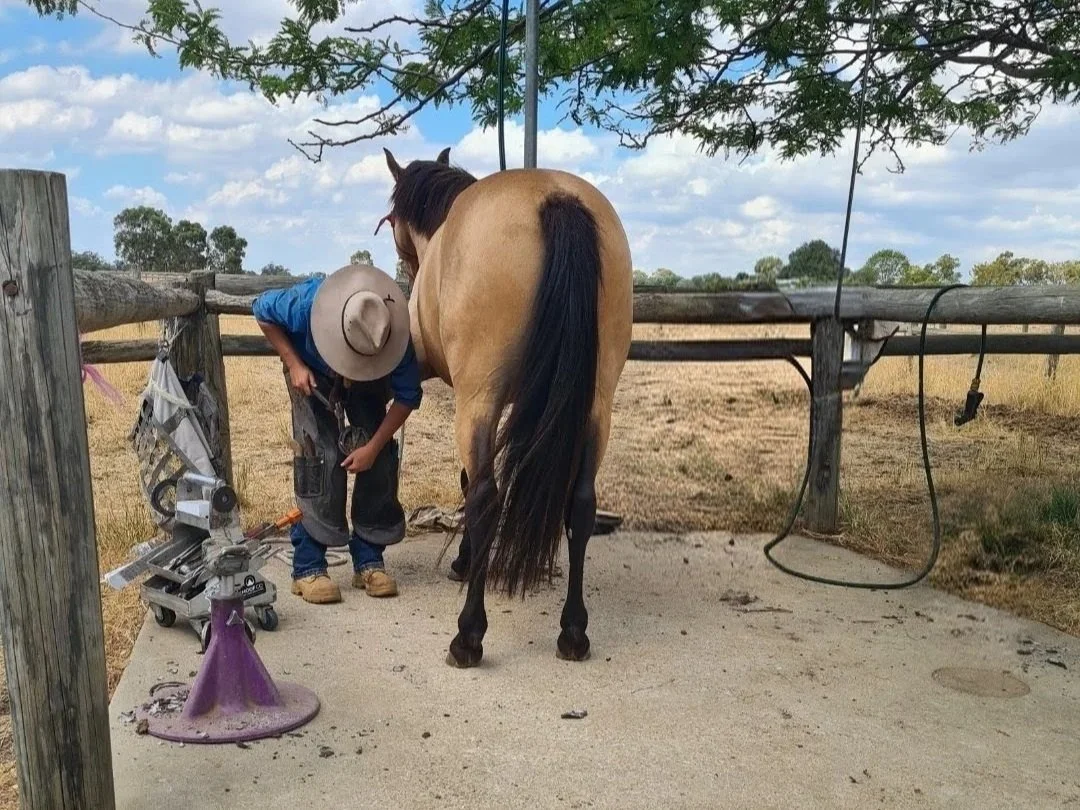
Global events feel very far away, until they're not.
The current economic pressures and global events are reshaping how hoofcare works in Australia. Farriers are having to adapt quickly to changing conditions, rising costs, and increasing uncertainty. These aren’t excuses or justifications, they are real operational pressures that directly affect how mobile hoof care is delivered and sustained.
And ultimately, they affect you and your horse.
Running a mobile farrier business has always involved significant overheads. But fuel prices and even availability are becoming increasingly unpredictable. As farriers, we often travel hundreds, even thousands of kilometres each week. Fuel is one of the largest ongoing expenses in a mobile business. When it rises abruptly, it doesn’t just add a few dollars to a bill, it changes route planning, scheduling, and overall viability and sustainability.
Most farriers operate heavier 4×4 vehicles because we have to. They’re purpose-built to carry forges, tools, anvils, stock, and equipment safely and legally. These vehicles aren’t optional luxuries, they’re our workshop on wheels. Downsizing isn’t realistic when you’re transporting what amounts to a fully equipped trade business. Many of us go through a full tank of diesel every one to two days. At current prices, that’s not a minor operating expense, it’s a significant weekly commitment. The road is our workplace. It’s not an expense that can simply be absorbed. If more owners could travel to us, this would be a different conversation.
And fuel isn’t the only factor.
Shoes, nails, adhesives, and specialised tools and materials are often imported or heavily influenced by global supply chains. When international shipping costs rise or global instability disrupts supply, local prices and availability shift too. Add in inflation affecting insurance, tyres, maintenance, registration, and general living expenses, and the cumulative effect becomes substantial.
Because of this, you may start to notice changes.
Current pricing adjustments aren’t about increasing profit, they reflect real increases in operating costs just so farriers can continue to show up reliably. Travel fees are becoming more common, structured differently depending on the business. Some farriers are restructuring their schedules, consolidating routes, or removing days that simply aren’t financially viable.
In some cases, farriers are helping transition clients to professionals who are closer geographically. These decisions aren’t easy. Most farriers build their client base over years, and those client relationships matter. But sometimes it’s the responsible choice when logistics no longer make sense long term. Likewise, more farriers are encouraging owners where possible, to travel to them as an alternative option (us included).
There’s also a noticeable shift toward farrier's being more selective about their workload and clientele. Location, horse numbers, reliability, payment consistency, and even overall job satisfaction come into consideration. Longevity in this trade requires both financial stability and physical sustainability.
At the same time, owners are navigating their own pressures.
Surging hay and feed costs, agistment, veterinary expenses, general cost of living etc. I’m hearing more conversations from owners about reducing horse numbers to help ease the financial load. When daily expenses are all rising, it forces every decision to be weighed carefully. This is where the realities of both sides intersect, at the point of hoofcare.
The financial pressure itself is significant, but the bigger concern is what happens if either side feels too squeezed to continue.
We already don’t have an overflow of new farriers entering the trade. It takes years to develop the competence, physical resilience, and stable client base to operate successfully. When operating costs rise faster than income can reasonably adjust, fewer young professionals see the trade as viable. And if experienced professionals burn out, scale back, or leave because business isn't sustainable, the effects will show up gradually through reduced availability, shrinking service areas, limited rural options, and longer wait times. The demand for a farrier will go through the roof, and that is already a problem the equine community faces.
On the other side, if hoof care is delayed or not prioritised by owners because budgets are stretched, small issues can escalate. Lameness risks increase and avoidable issues arise. And delayed care can end up costing more than keeping up with regular preventative maintenance. Which ultimately affects the horse. Meaning the long-term risk isn’t just financial, it’s welfare.
But pressure is also driving adaptation.
Farriers are becoming more strategic with route planning, scheduling and business management. There’s more transparency around costs and more conversations about sustainability than ever before. Hopefully owners are thinking more carefully about herd management and budgeting too. While none of this is ideal, it is creating a greater awareness across the industry. Bringing a stronger focus on long-term viability rather than short-term convenience.
Global events and rising costs may be outside our control, but how we adapt is something we can influence together. With continued awareness, planning, and understanding, horses can continue to receive the hoof care they need and farriers can remain sustainable in the work they love.
If you’ve been feeling the pinch too, you’re not alone. These pressures are shared. And if you ever want to chat, my door’s always open.